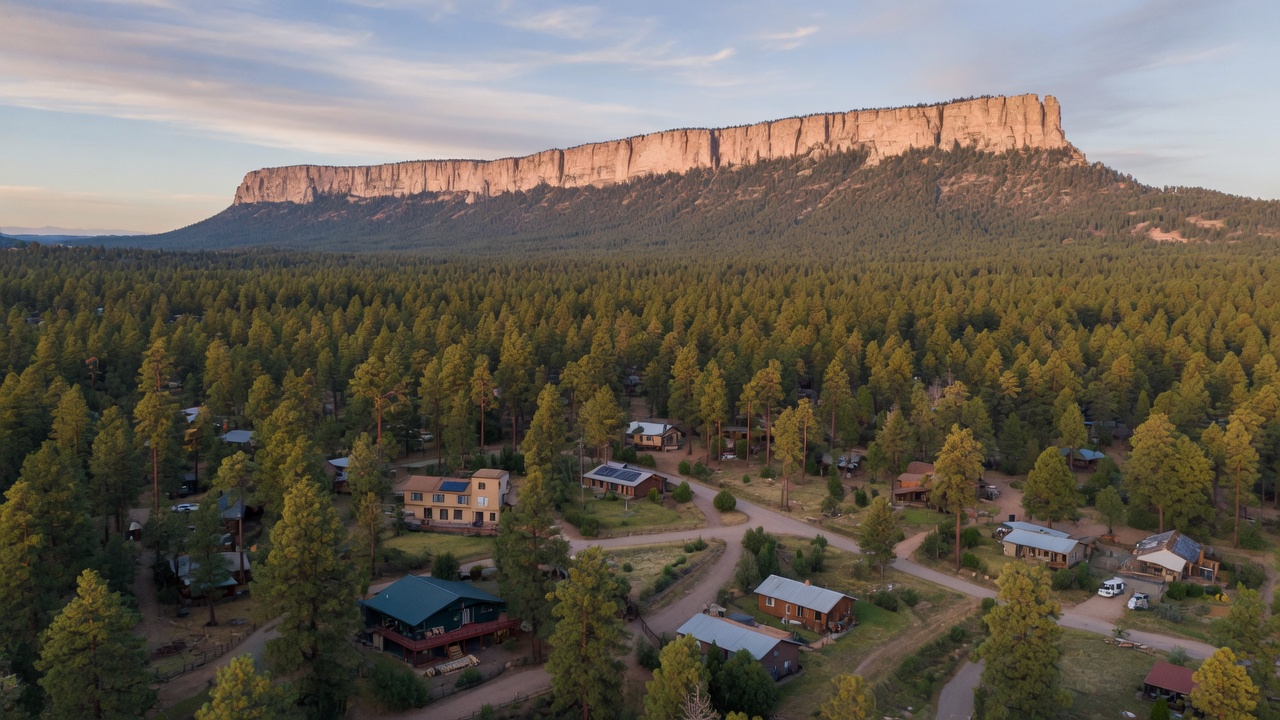
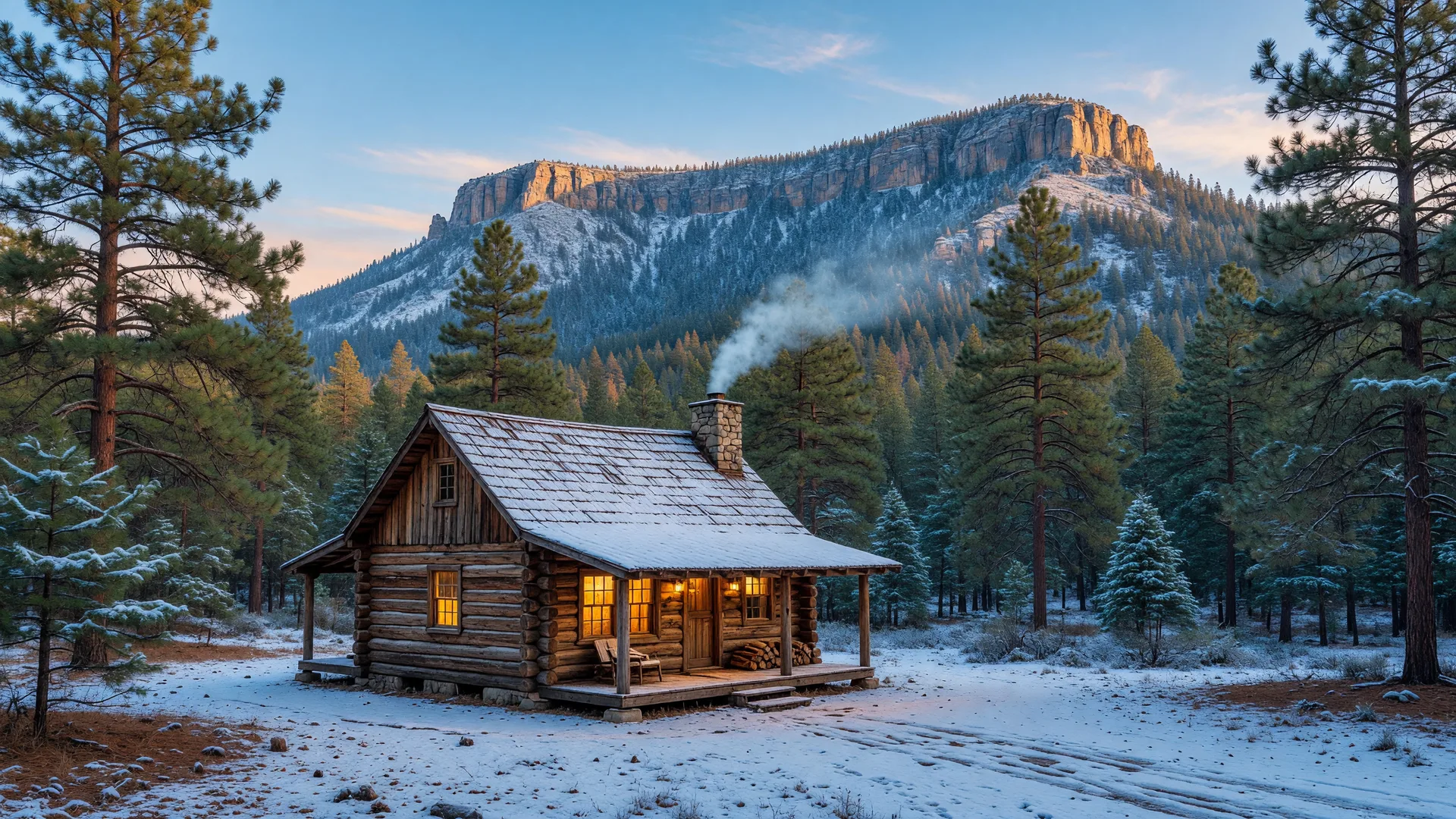
October is the month when the countdown to the first hard freeze becomes real in Rim Country. By the third or fourth week of the month, Payson's first frost typically arrives, and the higher communities of Pine, Strawberry, and Heber-Overgaard get there even sooner. As a local Realtor who shows cabins and second homes year round, I have walked through the aftermath of a January burst pipe more than once, and it is the kind of repair bill nobody wants to start the year with. This guide is the pre-winter checklist I give every cabin owner I work with, organized by what matters most, plus a look at what winter reveals to buyers and sellers that no other season can show you. If you are new to the seasonal rhythm up here, my fall transition guide covers the broader shift from monsoon to golden aspens, and the October roundup has the full event calendar if you are planning a visit.

Retired Navy LCDR and ABR, GRI, PSA, RSPS certified agent serving Payson, Pine, Strawberry, Tonto Basin, and Rim Country.
Know Your Elevation Zone: The Freeze Clock Runs on Feet
Rim Country is not one climate, it is a staircase of them, and your winterization list should match the elevation you actually sit at.
Payson, around 5,000 feet. Payson averages roughly 15 inches of snow a year, with December highs near 52 degrees and overnight lows in the mid-20s. Snow comes, but it tends to be lighter and to melt between storms. The first frost typically lands between mid-October and late October, so the window to prepare is now.
Pine and Strawberry, around 6,000 feet. These communities average closer to 21 inches of snow a year, and the roads get icier and stay snow-covered longer than in Payson. If your cabin is up here, treat winter access as a real planning item, not an afterthought.
Heber-Overgaard and Forest Lakes, 7,000 feet and above. This is the true snow country of Rim Country, averaging about 31 inches of snow a year with a real snowpack through the winter. Chains or four-wheel drive are sometimes required on the rim roads, and the freeze arrives weeks earlier than it does down in Payson.
The simple rule of thumb I give everyone: expect temperatures roughly 10 to 20 degrees colder than Phoenix, and add snow and ice handling to your list the higher you go. A cabin that is perfectly fine in Payson would need a much more thorough winterization at 7,500 feet.
The Plumbing Priority: The Most Expensive Mistake Is the Most Preventable
Frozen, burst pipes are the single most common winter disaster I see in Rim Country cabins, and they are almost entirely preventable with a few hours of work in October. Here is the sequence that protects a seasonal cabin.
Shut off the main water supply. If the cabin will sit empty, close the main valve and then drain the water heater: turn off its breaker or gas valve first, then open the pressure relief valve and drain it completely.
Drain every line. Open the lowest faucet in the house first, usually an exterior hose bib, then open every sink, shower, and bath faucet. Flush each toilet to empty the tank and bowl. Leave the faucets open so no pressure can build up if any water remains.
Protect the traps. Pour RV or plumbing antifreeze into the toilet bowls and down every drain so the water in the P-traps cannot freeze. This is the step people skip, and it is the step that leaves you with cracked drains in the spring.
Insulate and seal. Wrap exposed pipes in crawl spaces, attics, and around outdoor hose bibs with foam pipe sleeves or heat tape, and seal any gaps where pipes enter the house with caulk or expanding foam. A few dollars of insulation beats a plumber's emergency call in January.
If you keep the cabin occupied or heated through the winter, the same logic applies in reverse: keep the heat at a safe minimum around 50 to 55 degrees, insulate the exposed pipes, and know where the main shutoff is before you need it.
Heating, Propane, and the Wood Stove
Service the heating system now. Have the furnace, heat pump, or boiler inspected and serviced before the freeze, and change the filters. Technicians book up fast once the cold arrives, and a no-heat call on a 20-degree night is the worst time to discover a problem.
Check the propane. If the cabin runs on propane for heat, cooking, or hot water, check the tank level and arrange a fill before demand spikes. Winter delivery schedules tighten, and running out mid-season is a problem you do not want to manage from 200 miles away.
Decide the empty-cabin strategy. For a seasonal cabin, you either keep the heat on at a safe minimum or shut the system down and drain it completely. Half measures are how pipes freeze. Pick one, write it down, and stick to it every year.
Prepare the wood stove or fireplace. Have the chimney inspected and cleaned by a certified professional, because creosote buildup is a real fire hazard, and stock seasoned firewood now while the selection is still good. Local suppliers sell out of the good dry wood early.
Seal the envelope. Check windows and doors for drafts and reseal with weatherstripping or caulk. At elevation, the temperature swings are dramatic, and the energy savings over a winter will more than pay for the materials.
Gutters, Roof, and Defensible Space
Clean the gutters. After the monsoon, gutters are full of pine needles, and the fall leaf drop adds another layer. Clogged gutters create ice dams that damage roofs and fascia, so clean them now and again after the leaves fall.
Trim the branches. Cut back any limbs that hang over the roof or could break under snow weight. A heavy snow load on a branch is how roofs get damaged and driveways get blocked.
Store the outdoor gear. Clean and store patio furniture, grills, hoses, and gardening equipment. The freeze-thaw cycle is hard on everything left outside, and a stored grill is a grill that lasts.
Keep the defensible space. Gila County guidance calls for clearing brush, debris, and flammables within about 30 feet of the home. Winter is the quiet season for fire risk, but the work you do now sets up a safer spring, and it keeps the property looking cared for all year.
Access Roads and the Winter Driveway
The most common surprise for new cabin owners is not the cabin, it is getting to it. Test your access road now, while it is dry: is it maintained year round, is there a recorded easement or private road agreement, and who plows it when the snow flies? A road that is fine in October can be impassable in January, and that changes how you plan everything from check-ins to emergencies.
If the cabin sits above 6,000 feet, assume you will need four-wheel drive or chains at some point, and keep the driveway clear so a plow can actually reach the house. It is also worth arranging a periodic check-in with a neighbor, a property manager, or a local service during the months the cabin sits empty. One person looking in on the place after a big storm can catch a small problem before it becomes a big one.
One more local note: the State Route 260 Lion Springs widening project east of Payson is still under construction through the winter, with intermittent closures for rock work, so build extra drive time into any trip to the rim lakes or Heber-Overgaard. The project page at azdot.gov has the current schedule.
What Winter Reveals to Buyers: The Most Honest Showing Season
If you are shopping for a cabin or a year-round home in Rim Country, winter is the most honest season of the year to look. A January showing tells you in one visit what a July photo shoot cannot: how well the house holds heat, whether the windows draft, which rooms stay cold, how the driveway handles snow, and whether the road gets plowed. It is the difference between buying a cabin you have seen in summer and buying a cabin you know you can live in.
When I show properties in winter, I ask the same questions every time: Is the access year round? Who maintains and plows the road? Is the well and pump house winterized? How does the heating system perform at 20 degrees? What does the propane cost to fill? Those answers, more than any feature list, tell you what the cabin will really cost to own and how easy it will be to enjoy. My guide to buying a cabin in Rim Country walks through the full due-diligence list.
Winter is also when you find out how the community behaves. Rim Country is not a ghost town in January. The elk are out, the ski trails on the Rim are groomed, and the people who live here year round are the ones who will tell you honestly what winter is like. Buyers who come up in December and January are serious, and sellers who keep their cabin warm, their driveway clear, and their photos honest will find them.
For Sellers: Winter Buyers Are Real Buyers
If your cabin is on the market, do not pull it in November. Winter buyers are often the most committed ones: they are not weekend lookie-loos, they are people who want a mountain home and understand what winter means. Keep the heat on at a comfortable level, keep the driveway and walkway clear of snow, and make sure the listing photos show the cabin in its winter best, warm light against the snow. A cabin that presents as cozy in January sells to the right buyer, and it sells for what it is worth.
And Then There Is the Reward
All of this preparation exists so you can actually enjoy the best season in Rim Country. The elk herd that winters along State Route 260 east of Payson is one of the great wildlife shows in Arizona, with prime viewing around the Christopher Creek and Kohls Ranch stretch, especially at dawn and dusk. Cross-country skiers have the Mogollon Rim to themselves on trails like the Woods Canyon Overlook and General Crook trails. The higher country around Heber-Overgaard, which bills itself as always in season, is a genuine snow playground when conditions allow. And back in Payson, the annual Winter Wonderland and Electric Light Parade at Green Valley Park in early December is the community event of the season, with the ice rink, Santa, food trucks, and the whole town out under the lights.
Winter is when you find out whether you really love mountain living, and for the people who do, it is the reason they stay. My advice every year is the same: do the checklist in October, then spend the winter enjoying the place instead of worrying about it.
Your Pre-Winter Checklist
- Know your elevation. Payson, Pine-Strawberry, and Heber-Overgaard each have a different freeze clock and a different snow load. Prepare for the one you are on.
- Do the plumbing now. Shut off and drain seasonal water systems, protect the traps with antifreeze, and insulate exposed pipes. This is the one that saves you the most money.
- Service the heat. Furnace, propane, chimney, and firewood, all before the freeze, and decide your empty-cabin heating strategy in writing.
- Clean up outside. Gutters, overhanging branches, stored furniture, and defensible space around the structure.
- Test the access. Confirm year-round road maintenance, plowing, and a check-in plan before the first snow.
- Buyers: shop in winter. A January showing tells you more about a cabin than a summer one ever will.
- Sellers: stay listed. Winter buyers are serious, and a warm, accessible cabin presents beautifully against the snow.
If you own a cabin up here and want a second set of eyes on the winter plan, or if you are thinking about buying a place that is truly winter-ready, I would love to help. I know these communities, these roads, and these winters, and I will always lay out the pros and cons honestly so you can decide what fits you.
Talk soon,
Steven